Master The Art Of Street Style Pose: Your Ultimate Guide To Effortless Cool
Have you ever scrolled through Instagram or Pinterest, paused on a photo of someone looking utterly flawless against a gritty brick wall or bustling city crosswalk, and thought, “How do they make it look so easy?” That magnetic blend of fashion, attitude, and urban backdrop is the essence of a killer street style pose. It’s more than just standing there; it’s a silent conversation between you, your outfit, and the city itself. This guide will decode that language, transforming you from a passive passerby into a confident curator of your own urban narrative. Whether you're shooting for your portfolio, boosting your social media presence, or simply wanting to feel more powerful in your own skin, mastering the street style pose is your ticket to visual storytelling that resonates.
What Exactly Is a Street Style Pose? Beyond the Trend
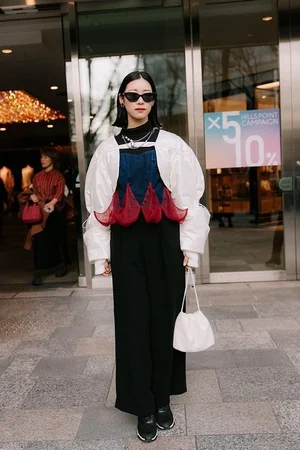
At its core, a street style pose is a moment of authentic, styled expression captured in a public, urban environment. It diverges from the stiff, controlled environment of a studio. The magic lies in its seeming spontaneity—a candid snapshot that is, in reality, a carefully composed performance. This genre draws inspiration from fashion blogs, global fashion weeks, and the innate style of city dwellers. Its power comes from context: the architecture, the graffiti, the passing traffic, and the natural light all become integral parts of the frame. A successful pose integrates the subject seamlessly into this environment, telling a story about place, personality, and personal style. It’s about attitude as much as aesthetics, conveying a sense of ease, confidence, and belonging in the urban landscape.
The rise of street style photography as a cultural force is undeniable. What began as a niche interest has exploded into a global phenomenon, dominating fashion editorials and social media feeds. Platforms like Instagram have democratized it, allowing anyone with a smartphone to participate. This has shifted the focus from solely high-fashion models to real people with diverse styles, making the street style pose more accessible and relatable than ever. It’s no longer about wearing the most expensive designer piece; it’s about how you wear it and where you wear it. The pose becomes the bridge between your personal wardrobe and the world’s stage.
The Pillars of a Perfect Street Style Pose: Key Elements to Master
Before you even strike a position, understand that a great street style pose is built on a foundation of several non-negotiable elements. These are the secrets that separate a blurry, awkward snapshot from a magazine-worthy image.
1. Posture and Presence: The Unseen Framework
Your physical alignment is the silent anchor of every pose. Good posture—shoulders back, spine long, chin slightly down—creates an immediate silhouette of confidence. It’s the difference between looking slouched and looking styled. This doesn’t mean being rigid; it means having an active, engaged core. Think of a string pulling the crown of your head toward the sky. This posture allows clothing to drape better and makes you look taller and more intentional. Practice this in the mirror: find your "power stance" where you feel both relaxed and alert. This internal sense of presence is what the camera ultimately picks up. It’s the energy you radiate before you even think about where to put your hands.
2. Angles and Lines: Sculpting with Your Body
The human body is full of interesting lines and angles. A dynamic street style pose plays with these to create visual interest and avoid a flat, frontal "mugshot" effect. The classic "S-curve" created by shifting weight to one leg and popping a hip is a staple for a reason—it adds dimension and a feminine (or masculine, depending on execution) flair. For a more androgynous or dynamic look, play with sharp angles: a turned shoulder, a bent knee, a tilted head. Breaking symmetry is key. Your body should rarely form a perfect rectangle with the camera. Instead, create triangles and diagonals that lead the viewer’s eye through the frame. Experiment with how different angles interact with the surrounding architecture; a strong vertical line from a building can complement a similarly strong line in your pose.
3. Expression and Gaze: The Window to the Story
Your face is the most powerful storytelling tool in a street style pose. A blank, smiling-at-the-camera expression can feel dated and disconnected. Instead, cultivate a candid, contemplative, or confident gaze. Look slightly away from the lens, toward a point in the distance, or down at your bag or shoes. This suggests you’re in the moment, not performing for the camera. It adds mystery and narrative. Your expression should match the vibe of your outfit and the environment—a sleek, minimalist look might pair with a cool, detached gaze, while a colorful, playful ensemble could be complemented by a genuine, mid-laugh expression. The goal is to look like you were caught in a cool moment, not posing for one.
4. Interaction with Environment: Becoming Part of the Scene
This is where the "street" in street style truly comes alive. Don’t just stand in the location; engage with it. Lean against a graffiti-covered wall, use a lamppost as a prop, sit on a flight of stairs, or walk naturally while being filmed (for a video clip). This interaction grounds the image in its specific place and time. It shows you belong there. The environment isn't a backdrop; it's a co-star. When you interact, you create a relationship between your outfit and the textures, colors, and lines of the city. A sleek leather jacket against rough concrete, a flowing skirt in front of geometric steel beams—these juxtapositions are the heart of compelling street style photography.
Actionable Posing Techniques: From Basic to Advanced
Now, let’s translate those pillars into actual, doable poses. Start simple and build complexity.
Foundational Poses for Immediate Impact
- The Walk: Never underestimate the power of a natural walk. Have your photographer shoot in burst mode as you walk toward, away, or past them. Focus on a long stride, letting your coat or skirt flow. Look straight ahead or over your shoulder. This is the quintessential "candid" street style pose.
- The Lean: Find a wall, a doorway, or a parked car. Lean your back against it, but don’t slouch. Pop one foot against the wall, cross your ankles, or simply let your arms hang loosely. This pose is effortlessly cool and works for almost any outfit.
- The Three-Quarter Turn: Instead of facing the camera directly, turn your body about 45 degrees. Put your weight on your back foot, pop your front hip, and look over your shoulder at the camera or into the distance. This slims the torso and creates a dynamic line.
Advanced Moves to Elevate Your Game
- The Prop Engagement: Use what’s in your hand—a coffee cup, a book, your phone, a bag. Hold it naturally, look at it, take a sip, or adjust the strap. This gives your hands a purpose, which is a common struggle in posing, and adds a layer of narrative. Are you a busy professional? A student on a break? The prop tells part of the story.
- The Dynamic Motion: For a truly editorial feel, incorporate movement. A spin that makes your skirt flare, a hand running through your hair, adjusting a sleeve, or laughing while looking down. The key is to repeat the motion so your photographer can capture the peak of it. This conveys energy and life.
- The Architectural Integration: Use the city’s lines. Stand in the corner of a building to create a framing effect. Sit on a low wall with your legs extended along it, creating a strong horizontal line. Position yourself within a doorway or window to create a natural vignette. This shows a sophisticated understanding of composition and makes the location indispensable to the image.
Fashion Integration: How Your Outfit Dictates the Pose
Your clothing isn't just what you wear; it's a primary actor in your street style pose. The silhouette, texture, and statement pieces should directly influence how you move and hold yourself.
- Oversized Silhouettes (Blazers, Coats, Sweaters): These pieces thrive on contrast and structure. Use the volume to your advantage. Square your shoulders to emphasize the blazer's shape. Put your hands in the deep pockets. Let the coat billow slightly as you walk. The pose should make the oversized piece look intentional and chic, not like you're swimming in it. A powerful, wide-legged stance balances the volume on top.
- Fitted Pieces (Bodycon Dresses, Tailored Trousers): Here, the focus is on clean lines and elegance. A fitted dress calls for poses that highlight the silhouette—a hand on the hip to accentuate the waist, a crossed-leg sit, or a simple, straight-on walk with minimal fuss. The confidence comes from the sleekness, so keep movements controlled and precise.
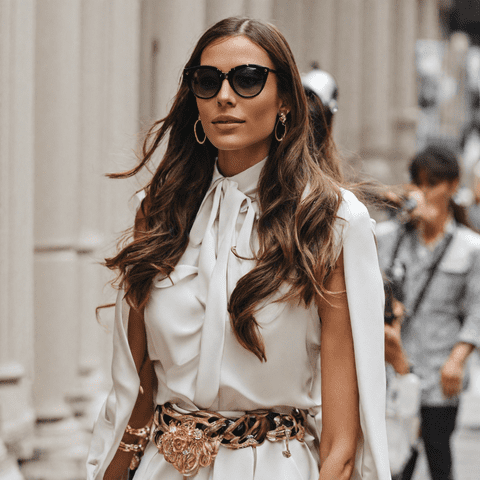
- Statement Accessories (Hats, Sunglasses, Bold Jewelry): These are your punctuation marks. A wide-brimmed hat? Tilt it and look up from under the brim. Chunky sunglasses? Push them up on your head or hold them in your hand as a prop. A statement necklace? Keep your head high and your neck long to showcase it. Let the accessory be the focal point and pose in a way that draws the eye to it.
- Layering: Mastering layered looks is a hallmark of street style. Your pose should reveal the layers. Unbutton a coat slightly, push up a sleeve to show a wristwatch or bracelet, or hold the lapels of a jacket open. This creates depth and shows thoughtfulness in your dressing.
Location Scouting: Finding Your Urban Canvas
The right location can make a mediocre pose look genius. Location scouting is a critical skill. Look for places with:
- Graphic Interest: Graffiti walls, colorful doors, interesting brickwork, geometric shadows from railings or staircases.
- Clean Backgrounds: A simple, uncluttered background (a plain wall, a textured door) ensures you are the sole focus. This is especially important for social media where images are small.
- Leading Lines: Use roads, pathways, fences, or building edges to lead the viewer’s eye toward you.
- Scale and Perspective: Grand architecture (a museum steps, a towering bridge) makes you look small and cinematic. Narrow alleyways create intimacy and a sense of discovery.
- Authenticity: Avoid cliché, over-photographed spots if you want originality. Wander a few blocks off the main tourist drag. The most authentic street style poses feel native to their specific neighborhood.
The Golden Hour and Beyond: Mastering Light for Street Style
Lighting is everything. The golden hour—the first hour after sunrise and the last hour before sunset—provides soft, warm, directional light that is flattering and dramatic. It creates long shadows and a beautiful glow. However, great street style photography isn't limited to this time.
- Overcast Days: These are a secret weapon. The clouds act as a giant softbox, providing even, shadow-free light that renders colors vibrantly and is incredibly forgiving. Perfect for capturing outfit details.
- Backlighting: Position yourself with the sun behind you. This creates a beautiful rim light (a halo effect) around your hair and shoulders, separating you from the background. You may need to use a reflector or have your photographer adjust exposure to brighten your face.
- Harsh Midday Sun: If you must shoot in bright sun, find open shade—the shadow of a building or a tree. This eliminates unflattering shadows under your eyes and chin. Alternatively, use the sun as a backlight or side light for high-contrast, graphic images.
Editing and Final Polish: The Digital Touch-Up
Your shoot isn’t over until the edit is done. Editing for street style should enhance, not transform. The goal is to feel authentic.
- Color Grading: Slightly desaturate for a moody, cinematic look or boost saturation and contrast for a vibrant, energetic feel. Consistency in your editing style across your feed creates a strong personal brand.
- Cropping: Use cropping to improve composition. Remove distracting elements from the edges. Try a square crop for Instagram or a vertical crop for Stories/Reels to focus tightly on your pose and outfit.
- Retouching: Be minimal. Fix any obvious wardrobe malfunctions or sensor dust. Avoid heavy skin smoothing; the texture of real skin fits the street style aesthetic. Brighten shadows and adjust exposure to ensure you’re the focal point.
- Apps: Lightroom Mobile, VSCO, and Snapseed are industry favorites for their control and preset capabilities. Develop a preset that matches your signature style for efficiency.
Common Street Style Pose Mistakes (And How to Fix Them)
Even the best intentions can lead to cringe-worthy results. Avoid these pitfalls:
- The Forced Smile: Solution: Think of a genuine memory that makes you feel calm or amused. Let that natural expression come through. A slight, closed-mouth smile or a neutral, confident expression is often more powerful.
- Looking Directly at the Lens with a Blank Stare: Solution: Pick a point just past the camera lens to look at. Imagine you’re looking at a friend standing behind the photographer. This creates connection without the intensity of direct eye contact.
- Stiff, Unnatural Limbs: Solution: Keep a slight bend in your knees and elbows. Roll your shoulders back and down. Take a deep breath and exhale to release tension. Move between shots to stay loose.
- Ignoring the Background: Solution: Before you pose, check the viewfinder. Is there a trash can, a tourist, or a car parked awkwardly behind your head? Shift your angle or position slightly to clean up the background. A simple shift can make all the difference.
- Over-Posing: Solution: Less is often more. A simple adjustment of weight or a natural gesture is more effective than a complicated, contrived stance. Authenticity reads as cool.
Finding Your Inspiration: Studying the Masters
Immerse yourself in the world of street style. Don't just scroll passively; analyze.
- Follow Photographers: Look at the work of legendary street style photographers like Scott Schuman (The Sartorialist), Tommy Ton, or Phil Oh. Notice their composition, their use of light, and how they interact with their subjects.
- Study Fashion Week Street Style: Sites like Vogue Runway and Vogue Business have extensive archives. See how models and editors pose in different cities—the more relaxed, layered looks of Paris versus the edgier, minimalist looks of New York.
- Analyze Your Favorites: When you save an image you love, ask yourself: What is her posture? Where is she looking? How is she interacting with the environment? What’s the vibe? Deconstructing images you admire builds your visual vocabulary.
- Create a Mood Board: Use Pinterest or a simple folder on your phone to collect poses, locations, and outfit combinations that inspire you. Refer to it before your next shoot for a quick creative boost.
Conclusion: Your Street, Your Style, Your Pose
Mastering the street style pose is a journey of blending self-expression with technical awareness. It’s about understanding that confidence is your best accessory and that the city is your runway. Start by mastering the fundamentals: posture, angles, and environmental interaction. Practice the foundational poses until they feel natural. Let your outfit guide your movement, and always be mindful of your light and background. Most importantly, embrace authenticity. The most memorable street style images feel real because they capture a person fully inhabiting their style and their space. So, grab your camera, head outside, and start a conversation with the street. Your perfect pose is waiting for you around the next corner, bathed in the perfect light. Now go create your own visual legacy, one effortless, confident frame at a time.